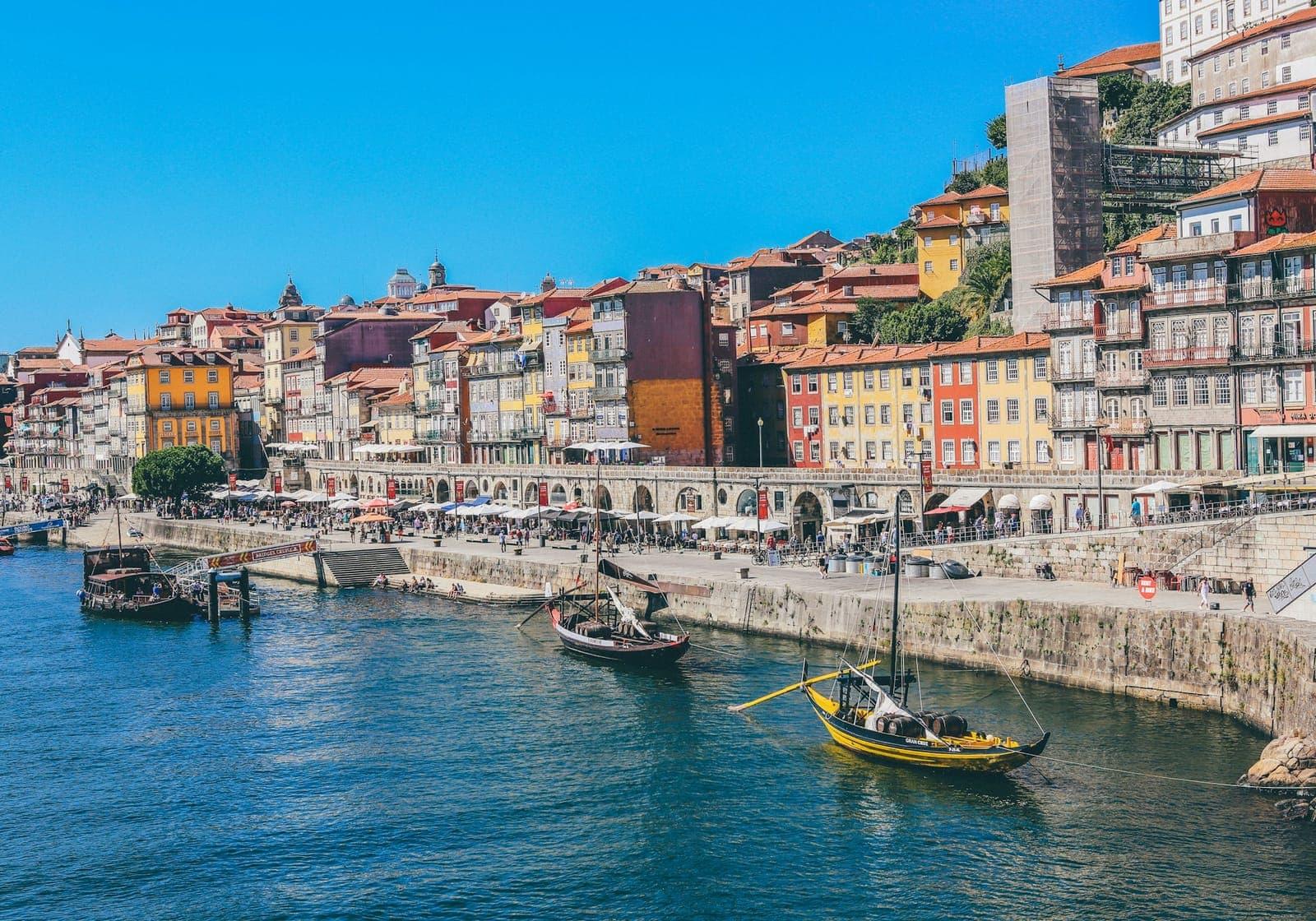
Twelve markets where the food is the real souvenir. Each one with address, the right time to go (and the time to avoid), anchor stall, average price and what to order. Not a TripAdvisor list — it's the map the local cook uses when traveling to another city.
15 min de leitura
A market is the most honest place in any city. Before the restaurant poses for Instagram, before the bar becomes a concept, before the neighborhood turns into digital-nomad-paradise, there's the market. That's where the cook shops. That's where grandma takes her grandchild. That's where the city shows itself whole, in the rhythm of the knife, in the price of fruit, in the way the fish shines.
This article is a map to twelve markets around the world that still deserve the whole trip. Not a "cultural experience" checklist. It's a route for people who travel to eat. Each has a right time to arrive, a time to avoid, one or two stalls worth crossing the world for, and an honest budget so you can plan without surprises.
The general rule works anywhere: arrive early (before 9am, ideally 7am), or late (after 4pm). Noon is the worst scenario — tourists, lines, inflated prices, tired fish, impatient vendors. A real market opens with the city and breathes with it.
Let's go city by city.
1. Tsukiji Outer Market — Tokyo, Japan
First, what you need to know: Tsukiji's fish wholesale market closed in 2018. It moved to Toyosu — more modern, more sanitary, more distant and, for travelers, much less interesting. But the Outer Market (the retail stalls, restaurants, kitchenware) keeps running exactly where it always did, in the Tsukiji neighborhood, in Chuo. Anyone who tells you "Tsukiji is over" doesn't understand the difference between inner and outer.
Go at 5am. Yes, 5am. That's when the restaurants open to serve breakfast sushi with fish that arrived from Toyosu two hours earlier. The anchor stall is Sushi Dai (average queue: two hours, even at 5am) — ten counter seats, omakase at ¥4,000 (~$27), fish that defines what sushi can be. If the line is impossible, go to Daiwa Sushi next door, same family, same quality, shorter line.
After sushi, walk the outer streets. Eat sweet tamagoyaki on a skewer (¥150), uni served in the open shell, grilled eel (unagi) with tare sauce. Buy a Japanese knife at Aritsugu (operating since 1560 — before Brazil was colonized).
Tourist peak: 9am–noon. Leave before that. How to get there: Tsukiji Station (Hibiya Line) or Tsukijishijo (Oedo Line). Serious breakfast tab: ¥6,000–9,000 per person (~$40–60).
2. La Boqueria — Barcelona, Spain
Officially: Mercat de Sant Josep de la Boqueria. Address: La Rambla, 91. Open since 1217 — yes, 13th century, back when it was a meat market outside the city walls.
The conflict here is direct: La Boqueria is stunning and touristy at the same time. The fix is simple: arrive at 8am, before the cruise buses unload. On Saturdays at 8am you still share the space with professional cooks from El Born buying produce.
Head straight to Pinotxo Bar, the small counter at the side entrance, where Juanito (passed in 2023, but the family continues — now with his nephew) served for over seventy years. Order the garbanzos con morcilla (chickpeas with blood sausage), callos a la madrileña (tripe), and chipirones a la plancha (grilled squid). Café con leche, glass of cava if it's the weekend. €25–35.
Then wander: jamón ibérico de bellota (sliced on the spot, €4–6 per portion), homemade tortilla de patatas at the back stalls, cut exotic fruits (touristy, but legitimately good), olive oil bonbons from the Catalan houses.
Peak: 11am–3pm and all Saturday afternoon. Avoid. Combine with: Mercat de Santa Caterina (same group, fewer tourists, better tapas at Cuines Santa Caterina) and Mercat de Sant Antoni (Eixample, almost no foreigners). Tab: €30–60 per person to eat at the counter.
3. Mercado de San Juan — Mexico City, Mexico
This is the worst-kept secret of professional chefs in CDMX. Calle Ernesto Pugibet 21, Centro Histórico. Open Tuesday to Sunday, 8am–5pm. A hidden gourmet market, no architectural charm, blue-tinted fluorescent lights and wet floors.
And probably the most interesting market in the Americas.
Exotic meats are the strong point. Crocodile, buffalo, venison, wild boar, jaboty (turtle, legal and regulated), chapulines (toasted grasshoppers) — all legal, inspected, and prepared for you to taste at the counter. The anchor stall is La Jersey (rare meats, sandwiches built on the spot, order the medallón de cocodrilo with manchego cheese, ~$280 MXN). Right next door, Recova del Rey makes flor de calabaza quesadilla (squash blossom with Oaxaca cheese inside a blue tortilla, $80 MXN — possibly the best bite in Mexico).
Fresh Pacific fish at Pescadería del Centro (tuna, marlin, Ensenada oysters). European cheeses at La Castellana. Spanish wines at the cellar in the back.
The charm of San Juan is that nobody goes there by accident — Instagram tourists are at Mercado de la Merced or in Roma Norte. Here you sit at the counter with a Pujol cook buying ingredients.
Quiet peak: Tuesday and Wednesday, 9–11am. Crowded peak: Sunday (Mexican families, packed). How to get there: Salto del Agua metro (Line 1 or 8), 8 min walk. Tab: $300–600 MXN per person (~US$18–35).
4. Borough Market — London, UK
Southwark, under the railway tracks. 8 Southwark Street, SE1 1TL. Open Tuesday to Saturday (Saturday is the big day, but it's chaos). Borough has survived everything — plague, gentrification, Brexit, pandemic — and in 2026 it's still the best-curated market in Europe.
Go Saturday at 10am, before lunch, after the supplier mess. Three mandatory stops:
Neal's Yard Dairy — artisanal British cheese. Order Tilbury cheese (Cornish, washed rind, butter and mushroom flavor), Stichelton (unpasteurized Stilton, legendary), Sparkenhoe Red Leicester. £15–30 for a board for two.
Brindisa — Spanish in London for 35 years. Grilled chorizo in bread with rocket is England's most copied sandwich. £8.
Bread Ahead — the doughnuts with Madagascar vanilla cream (£3.50). Pulled from the oil every 30 min. Eat them hot.
Add: Kappacasein (melted cheese sandwich on sourdough — £8, best toastie in the world), Ginger Pig (rare British meats), Monmouth Coffee (around the corner, justified queue).
Avoid: Tuesday and Wednesday, many stalls closed. Sunday, closed. How to get there: London Bridge Station. Tab: £25–45 per person to graze.
5. Mercado Central de Valencia — Valencia, Spain
Largest modernist market in Europe, 1928 building with Art Nouveau stained glass and ceramic domes. Plaça de la Ciutat de Bruges. Brick, iron and ceramic in a structure that is itself a museum. And still a living, working market — 300 stalls.
Closed Sunday, remember. Monday to Saturday, 7:30am–3pm.
You go to buy authentic paella ingredients: bomba rice (don't substitute), La Mancha saffron in threads, garrofó (giant white bean), conejo (rabbit), caracoles (snails). The Central Bar by Ricard Camarena stall (Michelin-starred chef) serves the best bocadillos in the market — order the bocadillo de calamares con alioli (€8) and the clóchina valenciana (local mussel, €12 per dozen).
Legit horchata is the ritual: after the market, cross to Horchatería Santa Catalina (Plaça Santa Caterina, 6) and order horchata with fartons (€4). Alboraya tiger nut, shaved ice, no milk. Valencia's base drink.
Peak: 11am–1pm. How to get there: Xàtiva or Colón metro. Tab: €15–30 per person to eat at Central Bar.
6. Marché des Enfants Rouges — Paris, France
The oldest in Paris, running since 1615 (Louis XIII). Address: 39 Rue de Bretagne, 3rd arr. (Le Marais). The name comes from the neighboring orphanage where children wore red.
It's small (about twenty stalls), covered, no pretension. And it's the most multicultural lunch spot in Paris.
Morocco: Le Traiteur Marocain (lamb tagine, €14). Japan: Taeko (grilled salmon bento, €15, unavoidable queue). Italy: hot focaccia genovese stall. Lebanon: generous mezze platter for €18.
It's not a shopping market — it's a restaurant-market. Communal tables. You order from two different stalls and sit together. Wine from the Italian stall, €5 a glass.
Peak: Saturday lunch (fair queue, worth it). Quiet: Thursday, noon. Closed: Monday. How to get there: Filles du Calvaire (Line 8) or Temple (Line 3) metro. Tab: €15–25 per person.
Receba uma viagem por semana.
Newsletter editorial Voyspark — long-forms, dicas e descobertas que não cabem no Instagram. 1x por semana, sem ads.
Sem spam. Cancela em 1 clique.
7. Marché Bastille — Paris, France
Paris's biggest market. Sunday morning. Boulevard Richard-Lenoir, between Bastille and Richard-Lenoir. Over a hundred stalls lined up along 600 meters. Opens 7am, closes 2:30pm.
It's not covered. It's a sidewalk market, open air, in the Parisian morning. Going to rain? Market still on. Going to snow? Market still on.
What to buy: cheese at Marie Quatrehomme (MOF — Meilleur Ouvrier de France, her Brie de Meaux is a reference), charcuterie from Auvergne, Gillardeau No. 2 oysters shucked on the spot (€18 per dozen, lemon and glass of Muscadet on the side), fresh flowers for the Airbnb, Île-de-France fruits in peak summer (Mara des Bois strawberries, legendary).
Classic Parisian Sunday combo: market at 8am, croissant at Du Pain et des Idées (closed Sunday — go Saturday and freeze), and lunch at Clamato or Le Servan in the 11th.
Thursday has a smaller version (same place, same hours, fewer people). How to get there: Bastille metro (Lines 1, 5, 8). Tab: €20–40 to graze.
8. Souq Waqif — Doha, Qatar
Different from all the others: go at night. Doha is an oven during the day (45°C in summer). The souq opens during the day but life happens after 7pm, when temperature drops to 30°C and the lighting turns on.
Address: Al Souq, Doha. Right in the center, restored in 2006 to look like it did in 1900, with brick, dark wood, lanterns. Curation a bit Disney, but authentic in the stalls.
Spices are the gold: Iranian saffron (buy — anywhere else in the world it costs three times more), maharaja curry, Qatari baharat, Lebanese za'atar, dried limes (loomi). Buy at Lina Spices in the east wing.
Falconry souq — section dedicated to hunting falcons. You won't buy (a bird costs $5,000–50,000), but it's worth seeing. Falcon hospital next door.
Eat at the Damasca One rooftop (view over the whole souq): kibbeh nayyeh, maqluba, hummus with lamb. No alcohol — it's Qatar. Karak chai (tea with condensed milk) everywhere.
Peak: Friday night (all of Qatar goes to the souq). Quiet: Wednesday 9pm. How to get there: Doha Metro — Souq Waqif Station (Gold Line). Tab: QAR 100–200 per person (~US$27–55).
9. Or Tor Kor — Bangkok, Thailand
Forget Chatuchak (the big weekend market next door). Chatuchak went full tourism — souvenirs, t-shirts, average food. Bangkok chefs shop across the street, at Or Tor Kor Market (also written Ot Or Kor), Kamphaeng Phet Road, open daily 6am–6pm.
Or Tor Kor has been considered one of the best markets in the world by CNN for over a decade. Not by accident. It's supervised by the Thai agricultural authority — only premium, certified, fresh produce.
Rare tropical fruits: mangosteen from Chanthaburi (May–July season is peak), rambutan, Mon Thong durian (cut on the spot — you taste before buying), lychee, rose apple. Vendors give samples of everything.
Ready food at the back: tom yum kung with giant river prawn (order at Khun Kun's stall — 250 THB, ~US$7), som tam (green papaya salad) made on the spot with mortar and pestle, moo ping (marinated pork skewers), khao niao mamuang (sticky rice with mango — only in season, perfect).
Quality jasmine rice to take home (1kg bag, premium, 80 THB).
Peak: 10am–2pm. Quiet: 7–9am. How to get there: MRT Kamphaeng Phet Station, exit 3. Tab: 200–500 THB per person (~US$5.50–14).
10. Mercato di Ballarò — Palermo, Italy
The most authentic in Sicily. Quartiere Albergheria, Palermo. Open mornings, Monday to Saturday, 7am–2pm. Street market, uncovered, vendors shouting in Sicilian dialect (not Italian — you won't understand, and that's fine).
Here you eat legit Sicilian street food:
Arancini — fried rice ball with filling. Order the arancino al ragù (meat and peas) at Sfincione's or any stall with an Italian queue. €3–4.
Pani ca' meusa — veal spleen sandwich cooked in lard. Yes, you read that right. It's a totem food of Palermo. Nino u' Ballerino (near Vucciria, but part of the circuit) makes the best. €4. Eat with eyes closed, judge after.
Pesce spada (swordfish) grilled on the spot with lemon and olive oil. €8.
Sfincione — fluffy Palermitan pizza with tomato sauce, anchovy, caciocavallo cheese. Different from any other Italian pizza. €3 a slice.
Don't go in white pants. The market is wet, soaked, alive.
Peak: Saturday 10am–noon. Quiet: Tuesday 8am. How to get there: walk from the historic center (15 min from Teatro Massimo). Tab: €10–20 per person for a full street food round.
11. Naschmarkt — Vienna, Austria
Viennese open-air market since the 16th century. Wienzeile, between Karlsplatz and Kettenbrückengasse. Open Monday to Saturday, 6am–7pm (shops) and 6am–11pm (restaurants). Saturday has the adjacent Flohmarkt (flea market) — unbeatable combo.
The charm of Naschmarkt is the Austrian-Ottoman-Balkan mix. You eat Israeli falafel next to Austrian knödel next to Turkish börek next to Polish pierogi — all from stalls that have been there for decades.
Stops: Café Naschmarkt Deli (bottomless brunch, ~€18), Neni am Naschmarkt (Israeli/Persian cuisine by chef Haya Molcho, order Sabich — €12), Café Anzengruber (classic market-restaurant, legit Wiener Schnitzel at €22, Tafelspitz at €24).
Buy: Manner Schnitten (hazelnut wafer, Austrian totem biscuit) at the official stall, Modena balsamic vinegar from the Italian houses (crosses borders, pricey), kürbiskernöl (Styrian pumpkin seed oil, brand Hartlieb).
Peak: Saturday afternoon with the flea market. Quiet: Tuesday morning. How to get there: Karlsplatz metro (U1, U2, U4) or Kettenbrückengasse (U4). Tab: €15–35 per person.
12. Mercado do Bolhão — Porto, Portugal
Reopened in September 2022 after five years of deep renovation. Rua Formosa, Porto. Neoclassical building from 1850. The renovation kept the original structure but modernized kitchens, inspection and logistics. Result: 2026's Bolhão mixes Porto tradition with contemporary curation.
Ground floor: fresh product. Fish (order sardinhas if it's between May and October), meats, fruits, flowers. Vendors in blue aprons, Porto voice, thick accent.
Upper floor: shop-restaurants. This is where the charm lives:
Bacalhau at Casa Januário — salt cod cured for nine months, ask them to slice it thin. To make pataniscas or bacalhau à brás at home, this is the spot.
Tinned fish at Comur — well-made tinned sardines, packaged with vintage year (yes, sardines have vintages like wine). €4–12 per tin, perfect gift.
Vinho verde at A Vianesa — order Soalheiro Granit or a Loureiro from Monção e Melgaço. €8–15 per bottle to open at home.
Eating at the market: Casa Guedes (not inside Bolhão, it's across the street, but mandatory — sande de pernil, pork knuckle sandwich with melted Serra da Estrela cheese, €5.50) and Conga (next door, bifana à moda do Porto, €3.50). Do both.
Peak: Saturday morning. Quiet: Tuesday 10am. How to get there: Bolhão metro (Line D). Tab: €15–30 to graze. €40–60 if buying product to take.
How to combine markets into trips
The trick is to chain markets in geographic sequence.
Tokyo in 3 days? Tsukiji Outer day one at 5am. Day two, Toyosu (new wholesale, guided tour at 5:30am) to see the tuna auction. Day three, Ameya-Yokocho in Ueno for late-afternoon shopping.
Barcelona in 4 days? La Boqueria day one (early), Mercat de Santa Caterina day two (lunch at Cuines Santa Caterina), Mercat de Sant Antoni day three (no foreigners). Day four: free, no market, to digest.
Paris in a week? Marché des Enfants Rouges, not Monday (closed), Tuesday for lunch. Wednesday: Marché d'Aligre (not listed, but worth it — cheaper and popular). Saturday: smaller Marché Bastille variant. Sunday: full Marché Bastille. Five markets, five neighborhoods, seven days.
CDMX in 5 days? San Juan day one (Tuesday or Wednesday). Mercado Roma day two (more modern, chef food court). Mercado de Coyoacán day three (Sunday tlacoyos lunch). Mercado de Jamaica (flowers) day four just to look. Mercado de Sonora day five — esoteric, medicinal herbs, living brujería.
Practical appendix
Universal world-market rule: early (before 9am) or late (after 4pm). Noon is a trap.
What to bring: cash in local currency (cards work at 60% of stalls), cloth bag, paper tissues (you'll need them), closed shoes (wet floors), big appetite.
What to avoid: "natural" fruit juice cut hours earlier (buy whole fruit and bite), ice in drinks (might not be filtered), market sashimi without visible refrigeration.
Useful apps:
- Google Translate camera mode — translates handwritten menus on the spot.
- XE Currency — offline FX.
- Google Maps offline — download the market area beforehand.
Average budget per market: US$25–60 per person to eat well, without falling into the adjacent expensive restaurant.
Mapa dos lugares mencionados
- 01
Tsukiji Outer Market
Tokyo, Japan
- 02
La Boqueria
Barcelona, Spain
- 03
Mercado de San Juan
Mexico City, Mexico
- 04
Borough Market
London, UK
- 05
Mercado Central de Valencia
Valencia, Spain
- 06
Marché des Enfants Rouges
Paris, France
- 07
Marché Bastille
Paris, France
- 08
Souq Waqif
Doha, Qatar
- 09
Or Tor Kor
Bangkok, Thailand
- 10
Mercato di Ballarò
Palermo, Italy
- 11
Naschmarkt
Vienna, Austria
- 12
Mercado do Bolhão
Porto, Portugal
Clique em qualquer lugar pra abrir no Google Maps.
Pontos-chave
12 markets around the world, with peak/quiet hours, specific stall and dish to order.
Tsukiji Outer Market (Tokyo) still works — only the fish wholesale closed in 2018 (moved to Toyosu). Sushi breakfast at 5am.
Or Tor Kor (Bangkok) is the local chefs' secret — forget Chatuchak, which went full tourist. Rare fruits, serious tom yum.
Perguntas frequentes
Basic rule: if the stall is packed with locals, cooks on the spot, and has high product turnover, the risk is low. Avoid: salads cut hours ago, raw fish without visible refrigeration, "natural" pre-blended juice. Eat fruit with peel, boiled soups, hot fried foods.
Conversa
…Faça login pra deixar seu insight
Conversa séria, sem trolls. Comentários moderados, vínculo ao seu perfil Voyspark.
Entrar pra comentarCarregando…

Sobre o autor
Curadoria Voyspark
2 anos no editorial Voyspark
Time editorial da Voyspark — escritores, repórteres, fotógrafos e fixers em Lisboa, Tóquio, Nova York, Cidade do México e Marrakech. Coletivo. Sem voz corporativa. Cada peça com checagem cruzada por um editor regional e um chef ou curador local.
Especialidades