Workation 2026: 12 cities with nomad visas, serious wifi, and cost of living under $2k/month

The real map for the remote worker in May/26: valid visas, minimum income required, couple cost of living, wifi speed, and time zone. No tourist brochure.

por Curadoria Voyspark May 15, 2026 16 min Curadoria Voyspark

In 2026, 18 countries offer a formal digital nomad visa and 9 more tolerate long stays via tourism. We filtered the 12 that combine three things that matter: a visa actually accessible, cost of living under USD 2k/month for a couple, and wifi above 50 Mbps. Lisbon, Madeira, Tbilisi, Bali, Bangkok DTV, CDMX, Buenos Aires, Medellín, Tallinn, Cape Town, Tokyo (90 days), and Athens — each with minimum income, real cost, and time zone for those working for the US or Europe.

16 min de leitura

The digital nomad cycle has matured. In 2020-2022, being a nomad was a hack — 6-month tourism stays, border visa runs, accounts in someone else's name. In 2026, it is public policy. Eighteen countries have a formal digital nomad visa, with clear rules, defined timelines, and in some cases tax exemption. Another nine (including Thailand with the 5-year DTV, Georgia with 365 days visa-free, and Argentina with its teleworking regime) tolerate long stays through parallel channels that work just as well.

The problem is that most "best cities for nomads" rankings mix three incomparable variables: climate, beauty, cuteness. That's not what matters. For the remote worker who wants a real workation — not extended vacation, but life with income maintained — three things filter everything:

  1. Accessible visa. Minimum income that fits a salaried role or USD freelance, without requiring high-net-worth assets.
  2. Cost of living under USD 2,000/month for a couple. Includes monthly Airbnb rent, groceries, transport, coworking. Above that, the math goes negative against staying home.
  3. Wifi consistently above 50 Mbps. Professional video calls, large file uploads, no drops.

These 12 cities pass all three filters in May/26. They are organized by time zone. On tax: residency rules vary by passport — check carefully before making the move. See tax planning for digital nomads.


The table: 12 cities, 8 columns, decision in 60 seconds

City Visa Min. income Couple cost/mo Avg wifi Time zone Vibe Nomad score
Lisbon D8 (Portugal) EUR 3,480/mo USD 2,400 100 Mbps UTC+1 Classic European 8.5
Madeira D8 + DN Village EUR 3,480/mo USD 1,700 80 Mbps UTC+0 Calm island 8.8
Tbilisi 1 year visa-free none USD 1,200 80 Mbps UTC+4 Authentic Caucasus 9.0
Bali (Canggu) B211A → KITAS USD 60k/yr (E33G) USD 1,500 60 Mbps UTC+8 Surf expat 8.2
Bangkok DTV (5 years!) THB 500k balance USD 1,600 200 Mbps UTC+7 Asian megalopolis 9.2
CDMX Residente Temporal USD 2,900/mo USD 1,800 100 Mbps UTC-6 Cosmopolitan Latin 8.7
Buenos Aires 2022+ Nomad Visa USD 2,500/mo USD 1,300 70 Mbps UTC-3 Vibrant Argentina 8.4
Medellín Migrante M-7 USD 900/mo USD 1,100 80 Mbps UTC-5 Young tropical 8.6
Tallinn DN Visa Estonia EUR 4,500/mo USD 1,900 150 Mbps UTC+2 Digital Baltic 8.3
Cape Town DN Visa 2024 ZAR 1M/yr USD 1,500 80 Mbps UTC+2 African Atlantic 8.4
Tokyo 90-day tourism none USD 2,000 150 Mbps UTC+9 Zen megalopolis 7.8
Athens DN Visa 2021+ EUR 3,500/mo USD 1,600 70 Mbps UTC+2 Historic Med 8.1

Cost figures are medians observed in May/26, couple without children, monthly Airbnb 1-bedroom in a central or nomad zone, basic groceries, transport, one shared coworking, no daily restaurant. Add USD 200-400/month if you eat out frequently.


Lisbon — the classic that got expensive

The Portuguese D8 visa has existed since 2022 and is the most active nomad visa in Europe. It requires proven income of at least 4 Portuguese minimum wages (EUR 3,480/month in 2026), a remote work contract or service agreement with a company outside Portugal, valid health insurance, and a lease. Granted for 1 year, renewable for 2 more, with a path to permanent residency in 5.

Lisbon in 2026 is not the Lisbon of 2021. A 1-bedroom apartment in Príncipe Real, Alfama, or Campo de Ourique runs EUR 1,200 to EUR 1,700/month furnished. The days of EUR 700 one-bedrooms are gone.

Real couple cost in Lisbon, May/26:

  • Monthly Airbnb 1-bedroom, center: EUR 1,400 (~USD 1,500)
  • Groceries for two: EUR 500
  • Transport (Navegante card + occasional Bolt): EUR 80
  • Coworking (Second Home, Heden, Avila): EUR 250
  • Restaurant 4x/week: EUR 320
  • Total: ~USD 2,400/month

Residential wifi delivers 100-300 Mbps via Vodafone/Meo. Coworkings have symmetrical fiber above 500 Mbps. The international nomad community in Lisbon is one of the densest in Europe — weekly meetups, Telegram groups with thousands of members.

UTC+1: you wake at 8am with a good window until 1pm to work for the US East Coast. For Europe, it's local time. When to go: April-June or September-October. Avoid August (tourism).


Madeira — the secret that stopped being one

The Digital Nomad Village in Ponta do Sol was created in 2021 by the regional government as a pilot and became a global reference. It works as a hub: free coworking facing the ocean, curated community, weekly events, structured onboarding. You still need the D8 visa (same EUR 3,480/month minimum), but you pay much less to live.

Monthly 1-bedroom rent in Ponta do Sol or Funchal: EUR 700-900. Groceries identical to mainland Portugal. Add the fiscal benefit: Madeira residents can apply to NHR 2.0 (updated in 2024) with partial income tax exemption on foreign income for 10 years for qualified professions (software engineering qualifies). This can be the differentiator that changes the whole equation.

Couple cost in Madeira, May/26:

  • 1-bedroom apartment: EUR 800
  • Groceries: EUR 400
  • Transport (rental car or taxi): EUR 250
  • Coworking (free at DN Village): EUR 0-150
  • Restaurant: EUR 200
  • Total: ~USD 1,700/month

Average wifi: 80-150 Mbps via Nos/Vodafone. DN Village coworking: 500+ Mbps symmetrical. Community: ~300 active nomads at any moment from 40+ countries. When to go: year-round — Madeira has no real winter, minimum 18°C in January.

For the fiscal calculation between Portugal vs Brazil tax residency, the key point: if you formalize exit and stay 183+ days in Portugal, you become tax resident there.

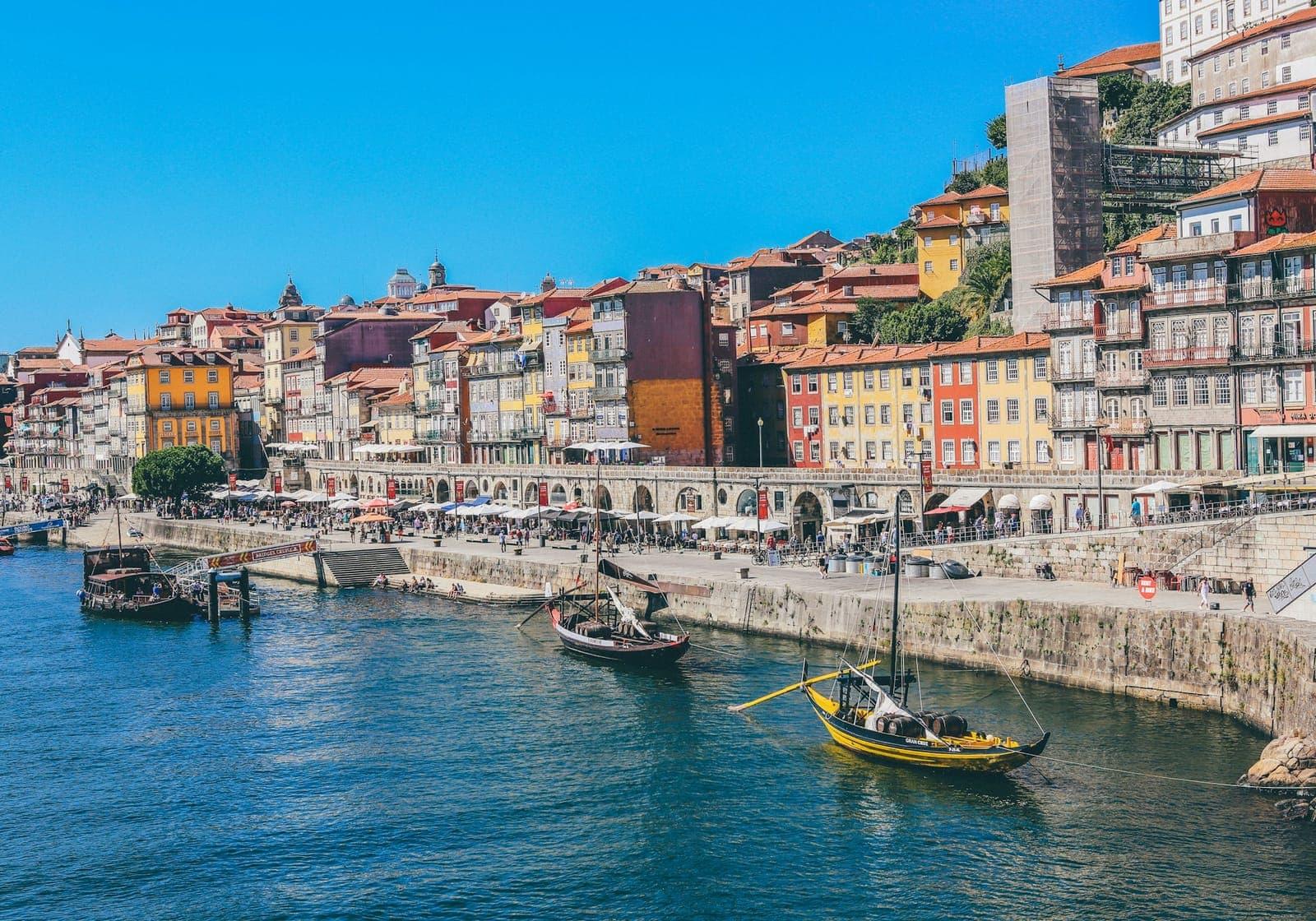
Tbilisi — the hidden Caucasus treasure

Many passports enter Georgia visa-free for 365 days. No application, no income proof, no formal health insurance. Show your passport at the border, get a stamp, stay a year. Renew by leaving and re-entering — and the Remotely from Georgia program formalizes teleworker status if you need it for banking.

Tbilisi became a Russian (post-2022) and Ukrainian nomad hub, with the side effect of transforming the city. New coworkings, 200 Mbps wifi cafes, dense tech community, cost still low but rising. Furnished 1-bedroom in Vera, Vake, or Sololaki: USD 600-800/month. Local food of very high quality (Georgian cuisine is among the world's best) costs USD 5-10 per meal.

Couple cost in Tbilisi, May/26:

  • 1-bedroom: USD 700
  • Groceries: USD 200
  • Transport (metro + Bolt): USD 80
  • Coworking (Terminal, Lokal, Impact Hub): USD 120
  • Restaurant (4x/week): USD 120
  • Total: ~USD 1,220/month

Average wifi: 80-100 Mbps via Magti/Silknet. UTC+4: reversed for Americas work, fine for Eastern Europe.

When to go: May-June or September-October. Avoid January-February (sharp cold, snow).


Bali (Canggu) — the cheap one got expensive

Indonesia launched in 2023 the E33G visa (KITAS Remote Worker) requiring USD 60,000/year of proven income. For those who don't hit that, the B211A route continues (60-day social/cultural visit visa, extendable by +60 +60 for 180 days total per entry) plus visa runs to Singapore/Kuala Lumpur every 6 months. It works, but isn't cheap like in 2019.

Canggu and Uluwatu got expensive. Monthly villa rental with shared pool in Canggu: USD 800-1,300. Quality coworking (Outpost, Tropical Nomad): USD 200-300/month with hot desk. Cheap local food remains (USD 2-4 per warung), but the average nomad ends up in Western cafes charging USD 10-15 per meal.

Couple cost Canggu, May/26:

  • 1-bedroom villa: USD 1,000
  • Scooter rental (2 units): USD 150
  • Groceries + delivery + warungs: USD 250
  • Coworking: USD 200
  • Western restaurant 3x/week: USD 150
  • Total: ~USD 1,750/month (cheaper villas: USD 1,500)

Average villa wifi: 50-80 Mbps via Biznet/Indihome. Coworkings: 100-200 Mbps. UTC+8: synchronous work with Americas impossible. Work for Australia/Asia/Japan: perfect.

International nomad community in Canggu is huge — weekly events, surf, jiu-jitsu, expat dinners. When to go: May-September (dry). Avoid January-February (rain).


Bangkok DTV — the 2024 bomb that changed Asia

Launched in July 2024, the Destination Thailand Visa (DTV) is the most generous nomad visa in the world as of May/26:

  • 5-year validity
  • 180 days per entry, extendable by another 180 inside the country
  • Multiple entries without limit
  • Requires only THB 500,000 (~USD 14,000) account balance or proof of remote work + portfolio
  • Allows spouse and minor children as dependents

This solved Thailand's historic problem (30/60-day visas and constant visa runs). Bangkok became the solid Asian option for a long-term base.

Nomad neighborhoods: Thonglor, Ekkamai, Ari. Furnished 1-bedroom condo rent: THB 18,000-30,000/month (USD 500-850). Quality coworking (The Hive, JustCo, WeWork): USD 200-300/month.

Couple cost Bangkok, May/26:

  • 1-bedroom Thonglor: USD 750
  • Groceries + delivery + street food: USD 250
  • BTS/Grab: USD 120
  • Coworking: USD 230
  • Restaurant: USD 250
  • Total: ~USD 1,600/month

Wifi: 200-500 Mbps via AIS Fibre is standard (Thailand has some of the world's best internet infrastructure). UTC+7: night-shift for US East, early morning for Europe.

When to go: November-February (dry, cool). Avoid April-May (brutal 38°C+ heat).

For a deep dive on Bangkok as a base, see Bangkok Thonglor: the nomad neighborhood in 2026.


CDMX (Roma Norte/Condesa) — cosmopolitan Latin

The Mexican Residente Temporal Rentista visa allows 1-4 year stays with proof of monthly income of USD 2,900/month (200x Mexican minimum wage in January/26) for six consecutive months. By far the most serious Latin visa, and with UTC-6, paradise for those working for the US.

CDMX in 2024-2026 is in a nomad boom — direct effect of the San Francisco/New York exodus post-pandemic. Roma Norte and Condesa are saturated, with dollarized rents. Furnished studio: USD 1,200-1,800/month. The emerging nomad neighborhoods are now Juárez, Cuauhtémoc, and Escandón, with rent USD 700-1,000.

Couple cost CDMX, May/26:

  • 1-bedroom Cuauhtémoc/Escandón: USD 900
  • Groceries: USD 300
  • Uber: USD 150
  • Coworking (WeWork, Selina, Público): USD 200
  • Restaurant: USD 250
  • Total: ~USD 1,800/month

Wifi: 100-300 Mbps via Totalplay/Izzi. UTC-6 is GOLD: wake at 7am aligned with NY for most of the day.

When to go: October-April (dry, clear days). Avoid June-September (afternoon rain season).

Receba uma viagem por semana.

Newsletter editorial Voyspark — long-forms, dicas e descobertas que não cabem no Instagram. 1x por semana, sem ads.

Sem spam. Cancela em 1 clique.

Buenos Aires — vibrant Argentina, unbeatable price

Argentina created the digital nomad visa in 2022 with USD 2,500 monthly income requirement and 6-month validity, renewable. The detail that makes Buenos Aires bizarre in 2026: dual Argentine economy with parallel exchange rate means your dollar is worth 2-3x the official rate. You spend USD 1,000 and feel like USD 2,500 of local purchasing power.

Nomad neighborhoods: Palermo Soho, Palermo Hollywood, Recoleta. Furnished 1-bedroom temporary rent: USD 600-900/month paying in dollars.

Couple cost Buenos Aires, May/26:

  • 1-bedroom Palermo: USD 700
  • Groceries (beef is cheap and excellent): USD 250
  • Subte + Cabify: USD 80
  • Coworking (La Maquinita, Urban Station): USD 150
  • Restaurant (steakhouse, parrilla): USD 150
  • Total: ~USD 1,330/month

Wifi: 70-150 Mbps via Telecentro/Fibertel. UTC-3: same as East Coast South America, perfect for Brazilian teams. Brazilian community small but active; Spanish/Italian nomad community huge.

When to go: October-December or March-May. Avoid January-February (heat + empty city).


Medellín — the cheapest on the list

Colombia's Migrante M-7 (Independent Remote Worker) visa requires monthly income of only 3 Colombian minimum wages (~USD 900/month in May/26) — the lowest barrier on the entire list. 3-year validity, renewable.

Medellín has been the Latin American nomad darling for years. El Poblado is the classic nomad neighborhood (expensive, gringo, festive). Laureles-Estadio is the more authentic emerging spot. Envigado for those who want quieter family life.

Couple cost Medellín, May/26:

  • 1-bedroom Laureles: USD 500
  • Groceries: USD 200
  • Uber + metro: USD 80
  • Coworking (Selina, Atom House, Tinkko): USD 150
  • Restaurant: USD 150
  • Total: ~USD 1,080/month

Wifi: 80-300 Mbps via Tigo/Claro. UTC-5: identical to US East. Climate: "eternal spring", 18-26°C year-round.

When to go: December-March (drier) or June-August. April-May rains are heavy.


Tallinn — digital Baltic

Estonia was a world pioneer: launched the Digital Nomad Visa in August 2020. Requires monthly income of EUR 4,500/month (one of the highest), 1-year validity. 100% digitalized country (e-residency, online government, instant banking) — Nordic strangeness that works flawlessly.

Tallinn isn't cheap, but absurdly efficient. 1-bedroom in the historic center or Kalamaja: EUR 700-1,000/month. Wifi: 150-1,000 Mbps symmetrical, standard.

Couple cost Tallinn, May/26:

  • 1-bedroom Kalamaja/Telliskivi: EUR 850 (~USD 920)
  • Groceries: EUR 400
  • Transport (free public transit for residents!): EUR 30
  • Coworking (Lift99, Spring Hub): EUR 200
  • Restaurant: EUR 250
  • Total: ~USD 1,900/month

UTC+2: Europe local, US tight. International nomad community concentrated in Telliskivi (creative hub) and Lift99.

When to go: June-August (white summer, 19 hours of light). Avoid November-February (sharp cold, 6 hours of light).


Cape Town — the South African entry

South Africa launched in October 2024 the Digital Nomad Visa requiring annual income of ZAR 1,000,000 (~USD 53,000/year), 3-year validity. Cape Town is the African nomad destination par excellence: dramatic landscape (Table Mountain, Atlantic and Indian oceans meeting), world-class gastronomy, competitive cost, solid infrastructure.

Nomad neighborhoods: Sea Point, De Waterkant, Woodstock, Observatory. Furnished 1-bedroom: ZAR 14,000-22,000/month (USD 750-1,180).

Couple cost Cape Town, May/26:

  • 1-bedroom Sea Point: USD 900
  • Groceries: USD 250
  • Uber: USD 100
  • Coworking (Workshop17, Workplaces): USD 180
  • Restaurant (high-end gastronomy at mid price): USD 200
  • Total: ~USD 1,630/month

Wifi: 80-200 Mbps via Vumatel/Openserve in fiber apartments. Coworkings: 500+ Mbps. Watch for loadshedding (scheduled power cuts) — pick apartments with inverter + UPS.

UTC+2: same as Tallinn. International nomad community large, mainly Germans and Dutch.

When to go: November-March (southern hemisphere summer, perfect). Avoid June-August (cold + wind + rain).


Tokyo — the impossible that works as a side base

Tokyo has no viable nomad visa (Japan is restrictive: work visas require local corporate sponsorship). But the 90-day tourism visa is granted easily for many passports, and the hack circulating among serious nomads is:

  • 90 days in Tokyo
  • Side trip to Seoul (Korea, 90 days visa-free) or Taipei (Taiwan, 90 days visa-free)
  • Return to Tokyo with new 90 days

This can stretch a Japanese stay to 6-8 months without violating any rule. It works — but requires planning and border discipline.

Tokyo itself: expensive, but not absurd as people think. Monthly 1-bedroom in Shimokitazawa, Nakameguro, or Asakusa: JPY 130,000-200,000/month (USD 850-1,300). Transport is the world's most efficient system. High-quality local food USD 8-15 per meal.

Couple cost Tokyo, May/26:

  • 1-bedroom: USD 1,100
  • Groceries + convenience: USD 350
  • Transport (Suica + Metro Pass): USD 100
  • Coworking (Tokyo Chapter, WeWork): USD 250
  • Restaurant: USD 200
  • Total: ~USD 2,000/month

Wifi: 150-1,000 Mbps via NTT/Softbank. UTC+9: synchronous work with Americas impossible, with Asia is local.

When to go: March-May (sakura) or October-November (foliage). Avoid July-August (unbearable humidity).


Athens — underestimated historic Mediterranean

Greece launched the Digital Nomad Visa in September 2021, requiring monthly income of EUR 3,500/month, 1-year validity, renewable for 1 more, with path to residency. Includes fiscal benefit: 50% income tax discount in the first 7 years if you transfer fiscal residency to Greece.

Athens combines: Mediterranean climate, much lower cost than Lisbon, phenomenal food, perfect positioning for side trips to Greek islands in summer. Nomad neighborhoods: Koukaki, Pangrati, Kolonaki, Exarcheia (alternative).

Couple cost Athens, May/26:

  • 1-bedroom Koukaki: EUR 750 (~USD 810)
  • Groceries: EUR 350
  • Transport (monthly card + taxi): EUR 50
  • Coworking (Stone Soup, Selina, Impact Hub): EUR 180
  • Restaurant (excellent tavernas): EUR 200
  • Total: ~USD 1,580/month

Wifi: 70-200 Mbps via Cosmote/Vodafone. UTC+2: same as Tallinn and Cape Town.

When to go: April-June or September-October. Avoid July-August (38°C heat + total tourism).


How to choose yours: decision matrix

Filter by your main constraint:

If you work for the US (synchronous time zone critical):

  • CDMX, Medellín, Buenos Aires. Period. Don't think about Asia.

If you work for Europe:

  • Lisbon, Madeira, Tbilisi, Tallinn, Athens, Cape Town. Compatible time zone.

If you work for Asia or Australia:

  • Bangkok, Bali, Tokyo. Local time zone.

If income is the constraint:

  • Tbilisi (no minimum income), Medellín (USD 900), Bangkok DTV (only USD 14k balance).

If you want maximum comfort and legal stability:

  • Lisbon D8 or Madeira (path to permanent residency in 5 years).

If you want side trips and regional exploration:

  • Bangkok (all Southeast Asia at hand), Athens (islands + Balkans), CDMX (all Latin America).

The final decision isn't technical — it's vibe. Go where you can imagine staying 6 months, not 6 weeks. Do a 3-week visit before committing to the visa. And don't skimp on international health insurance: 80% of nomad visas require proof.

For the next step in the equation — what bank account you use as a nomad — see international accounts for digital nomads.


Next steps

  1. Define your priority time zone (where is your main client?).
  2. Calculate your provable monthly income in USD via payslips or contracts.
  3. Filter the 12 cities by the two criteria above.
  4. Visit for 3 weeks on a tourism visa before applying for the nomad visa.
  5. Submit the visa application before quitting your job or canceling rent at home.

Real workation isn't Instagram. It's normal life somewhere else, with the same income. Those who understand this win. Those who treat it as vacation spend triple and come back in three months.


Gostou? Salve ou compartilhe.

Pontos-chave

**Bangkok DTV** is the bombshell of 2024-2026: 5-year visa, multiple entries, 180 days per stay, no absurd income requirement. It changed the Asia game.

**Lisbon D8** still rules for Europeans and South Americans, but cost rose: a 1-bedroom rent hit EUR 1,400/month in the center in 2026.

**Madeira Digital Nomad Village** still offers partial tax exemption via NHR 2.0 and significantly lower cost than Lisbon.

Perguntas frequentes

Medellín is the cheapest: USD 1,080/month for a couple, including rent in Laureles, groceries, transport, and coworking. Tbilisi comes next at USD 1,220/month and has the added advantage of requiring no visa (automatic 1 year for most passports).

Conversa

Faça login pra deixar seu insight

Conversa séria, sem trolls. Comentários moderados, vínculo ao seu perfil Voyspark.

Entrar pra comentar

Carregando…

Sobre o autor

Curadoria Voyspark

2 anos no editorial Voyspark

Time editorial da Voyspark — escritores, repórteres, fotógrafos e fixers em Lisboa, Tóquio, Nova York, Cidade do México e Marrakech. Coletivo. Sem voz corporativa. Cada peça com checagem cruzada por um editor regional e um chef ou curador local.

Especialidades

slow-travelfoodiesustentabilidadecultureworkationfamily
Voyspark AI