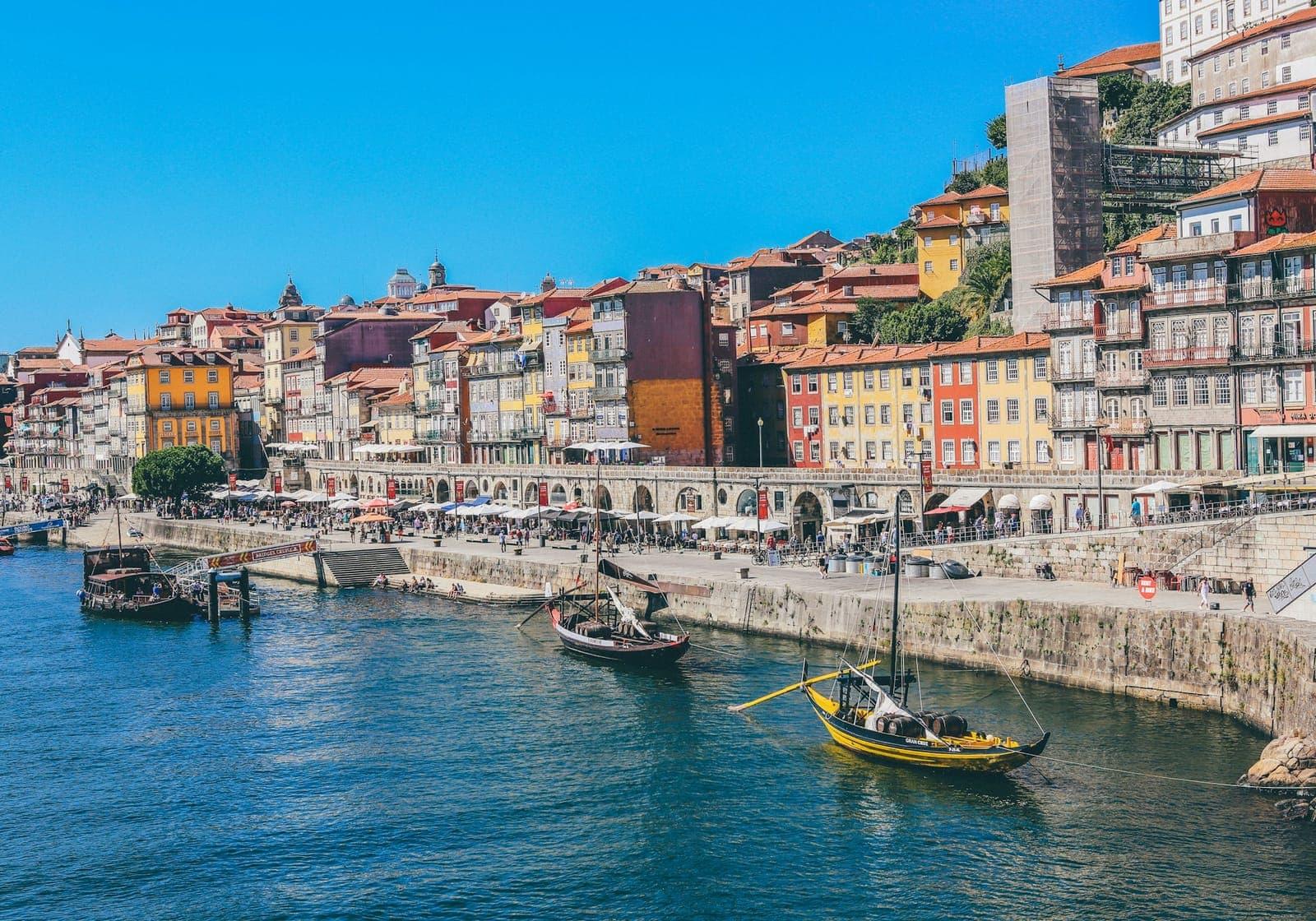
New Zealand in 3 Weeks: Honest Itinerary for the North and South Islands in 2026 (21 Days Among Volcanoes, Fjords, and Glaciers) — cover image
Destination🇳🇿 Auckland

New Zealand in 3 Weeks: Honest Itinerary for the North and South Islands in 2026 (21 Days Among Volcanoes, Fjords, and Glaciers)

Twenty-one days is the minimum to do both islands with dignity. Less than that, you sacrifice either Tongariro or Milford. Neither deserves to be left out.

With account
Curadoria VoysparkbyCuradoria Voyspark May 24, 2026 22 min Updated on July 13, 2026

New Zealand requires a minimum of 21 days: 7 days on the North Island (Auckland, Rotorua, Tongariro) and 14 on the South Island (Kaikoura, Mt Cook, Queenstown, Milford, Wanaka, Franz Josef and Fox glaciers). Distances are deceptive: South Island is 150,000 km², equivalent to England plus Scotland, with single-lane roads and averages of 70 km/h. Campervan costs NZD 80 to 200 per day. NZeTA plus IVL total NZD 52 and are valid for two years.

22 min read

New Zealand is the country that punishes those who arrive in a hurry. Distances are deceptive on the map, roads are beautiful but force you to stop every 40 minutes to take photos, and the speed limit on rural roads is 100 km/h in theory, 70 km/h in real practice considering curves, sheep, and the human impulse to pull over and look at the lake.

Most Brazilian two-week itineraries make the same mistake: they try to cram both islands into 14 days and end up exhausted, seeing half of what was promised. In 14 days you can do one island well. In 10 days you do one island poorly. In 21 days you do the country with the calm that the country demands.

This guide is based on the premise that slow travel is not aesthetic: it's mathematical. New Zealand has 268,000 km² (more than the UK), two islands separated by a treacherous strait, four distinct ecosystems (volcanic, fjord, alpine, temperate coastal), and a road system that rewards rested drivers and punishes tired ones.


Why 21 Days is the Minimum Civilized Time to Do New Zealand

TL;DRNew Zealand has 268,000 km² spread over two islands with alpine terrain and winding roads. To cover the landmarks of both islands (Tongariro, Rotorua, Milford, Mt Cook, glaciers, Queenstown) without driving more than 5h a day, at least 21 days are needed, with 7 days on the North Island and 14 on the South.

The practical rule comes from those who have operated tourism there for decades: the North Island can be done in a decent week, and the South Island needs two. The asymmetry is unfair to the North (which has Wellington, Rotorua, Tongariro, and Bay of Islands) but is geographical: the South Island has three dramatically different ecosystems (central alpine, southwestern fjords, Kaikoura's Pacific coast) and simply requires more kilometers.

Those with 14 days should choose one island. Seriously. The 14-day hybrid itinerary produces three days in Auckland-Rotorua, two days of transit to the South, and nine days rushing in the South trying to see Mt Cook, Milford, and glaciers in a logistics that steals 5-7h of driving per day. It's terrible travel.

Twenty-one days allows you to breathe: you spend three nights in Queenstown without rushing to leave, do the Tongariro Crossing without praying for the weather, sleep one night at Milford Lodge (and don't have to return to Te Anau at night), and still have a buffer day for bad weather at Mt Cook (it will rain, it always rains).


Balanced 21-Day Itinerary: 7 Days North + 14 Days South

TL;DROptimized itinerary: Day 1-2 Auckland, 3 Bay of Islands, 4-5 Rotorua, 6-7 Tongariro/Taupo, fly Wellington-Picton or ferry. South: Picton, Kaikoura, Christchurch, Mt Cook, Queenstown (3 nights), Milford, Fjordland, Wanaka, Franz Josef/Fox glaciers, return to Christchurch. Total: approximately 3,200 km of driving in 21 days.

North Island (Days 1-7)

Day Route KM Overnight
1 Arrival Auckland 0 Auckland CBD or Ponsonby
2 Auckland (Sky Tower, Wynyard, Devonport) 0 Auckland
3 Auckland → Paihia (Bay of Islands) 230 Paihia
4 Bay of Islands (cruise, Hole in the Rock) 0 Paihia
5 Paihia → Rotorua 480 Rotorua
6 Rotorua (Te Puia, Wai-O-Tapu, hangi) 0 Rotorua
7 Rotorua → Taupo → Tongariro 150 National Park Village

North-South Connection

The honest way is to fly Wellington-Christchurch (NZD 90-180, 1h). The scenic way is the Interislander ferry from Wellington to Picton, 3h30, NZD 60-95 on foot or NZD 220-300 with a vehicle. The ferry is worth it if you want to see the Marlborough Sounds from the water; if you're late, fly.

South Island (Days 8-21)

Day Route KM Overnight
8 Tongariro → Wellington → ferry Picton 350 + ferry Picton
9 Picton → Kaikoura 160 Kaikoura
10 Kaikoura (whale watching) → Christchurch 180 Christchurch
11 Christchurch → Lake Tekapo → Mt Cook 330 Mt Cook Village (Hermitage)
12 Mt Cook (Hooker Valley, full day) 0 Mt Cook
13 Mt Cook → Wanaka 200 Wanaka
14 Wanaka → Queenstown 70 Queenstown
15 Queenstown (Skyline, Arrowtown) 0 Queenstown
16 Queenstown → Te Anau 170 Te Anau
17 Te Anau → Milford → Te Anau 240 Te Anau
18 Te Anau → Queenstown → Wanaka 280 Wanaka
19 Wanaka → Franz Josef Glacier 280 Franz Josef
20 Franz Josef → Fox → Hokitika 160 Hokitika
21 Hokitika → Christchurch (via Arthur's Pass) 250 Christchurch (flight home)

The itinerary above totals about 3,200 km, with an average of 200 km/day of driving. Those who want real slow travel cut Bay of Islands (save 2 days) and add a night in Akaroa or Aoraki.

Keep reading

This one is for members

Free signup. No card. 30 seconds and you finish reading.

  • Access to every free article
  • Save reads to bookmarks
  • Comment and follow authors
Photo of Curadoria Voyspark

About the author

Curadoria Voyspark

2 years in the Voyspark editorial team

Time editorial da Voyspark — escritores, repórteres, fotógrafos e fixers em Lisboa, Tóquio, Nova York, Cidade do México e Marrakech. Coletivo. Sem voz corporativa. Cada peça com checagem cruzada por um editor regional e um chef ou curador local.

Expertise

slow-travelfoodiesustentabilidadecultureworkationfamily

Keep reading

Best time to visit the USA: a month-by-month guide for 2026 — article image

Destination · 14 min

Best time to visit the USA: a month-by-month guide for 2026

The best time to visit the United States in 2026 is fall (September to November): mild weather, red leaves across New England, hotels running 30-40% cheaper than summer, and American kids back in school. Skip June through August (U.S. summer break, heat, and peak pricing) and steer clear of Atlantic and Florida hurricane season, which runs June 1 to November 30 and peaks around September 10. This guide breaks it down month by month, region by region, with the actual 2026 holiday dates and the warning no travel agency gives you.

Best time to visit Japan in 2026: the honest guide by season and region — article image

Destination · 15 min

Best time to visit Japan in 2026: the honest guide by season and region

The best time to visit Japan in 2026 depends on what you want. Cherry blossoms (sakura) peak from late March to early April in Tokyo and Kyoto — stunning, but pricey and packed. Autumn foliage (koyo), from mid- to late November, delivers red maple leaves with half the crowds and far more civil prices, and it's the best value of the year. Whatever you choose, steer clear of Golden Week (Apr 29–May 6) and Obon (Aug 13–15): they're the two most expensive, most crowded stretches on the Japanese calendar.

Best time to visit Europe: a month-by-month guide (2026) — article image

Destination · 13 min

Best time to visit Europe: a month-by-month guide (2026)

The best time to visit Europe is spring (April and May) and early autumn (September): mild weather, thinner crowds, and prices running 20% to 40% below the summer peak. July and August are the high season — the most expensive, hottest, and most crowded stretch on the whole continent. If price is the only thing that matters, winter (January–February, outside the holidays) is the cheapest time of year, with the caveat of cold and short days.

Minha viagem
Voyspark AI